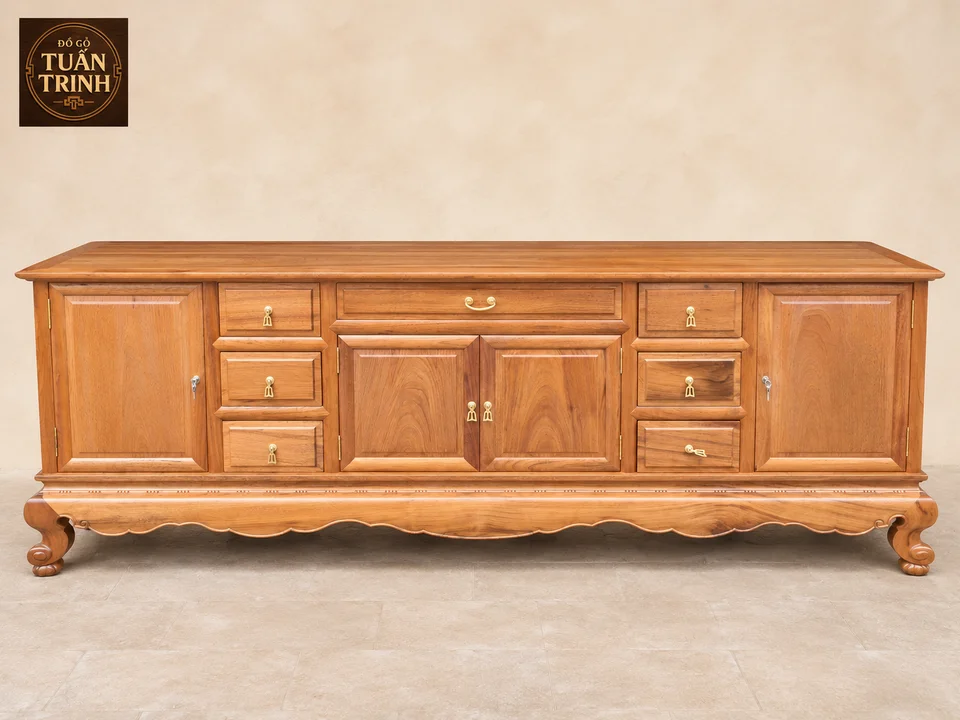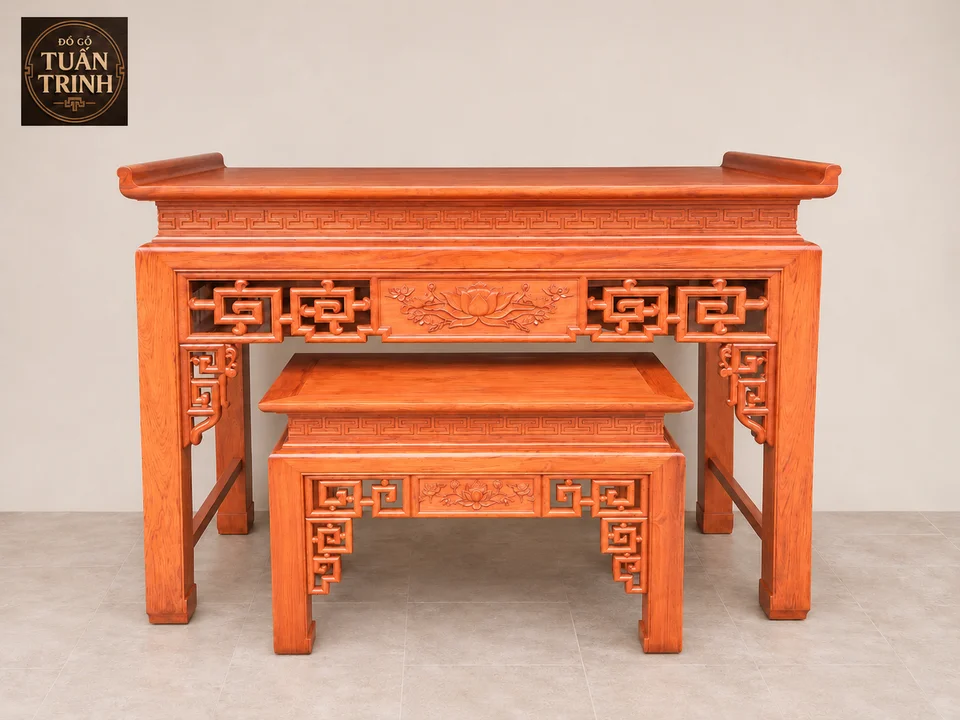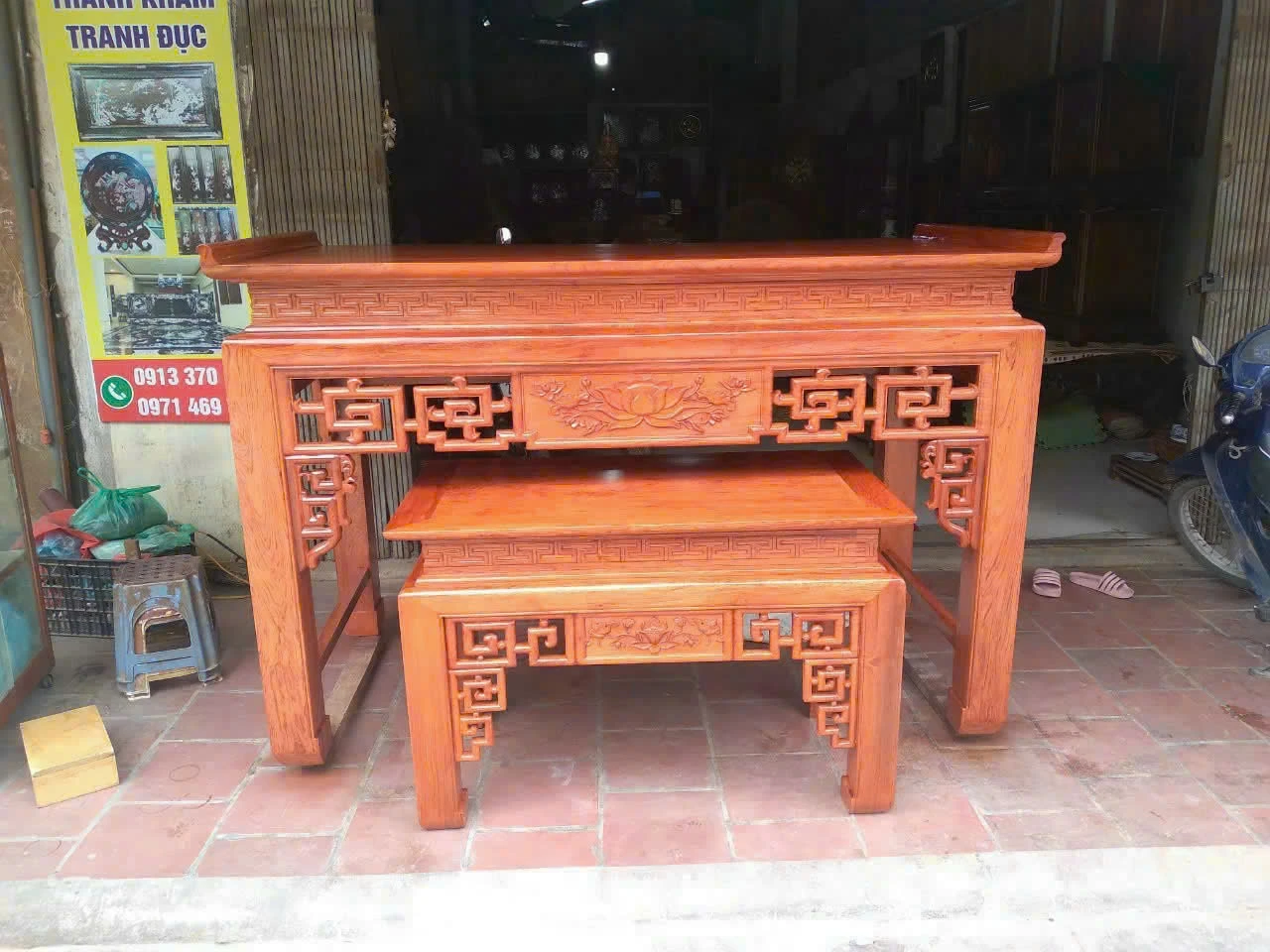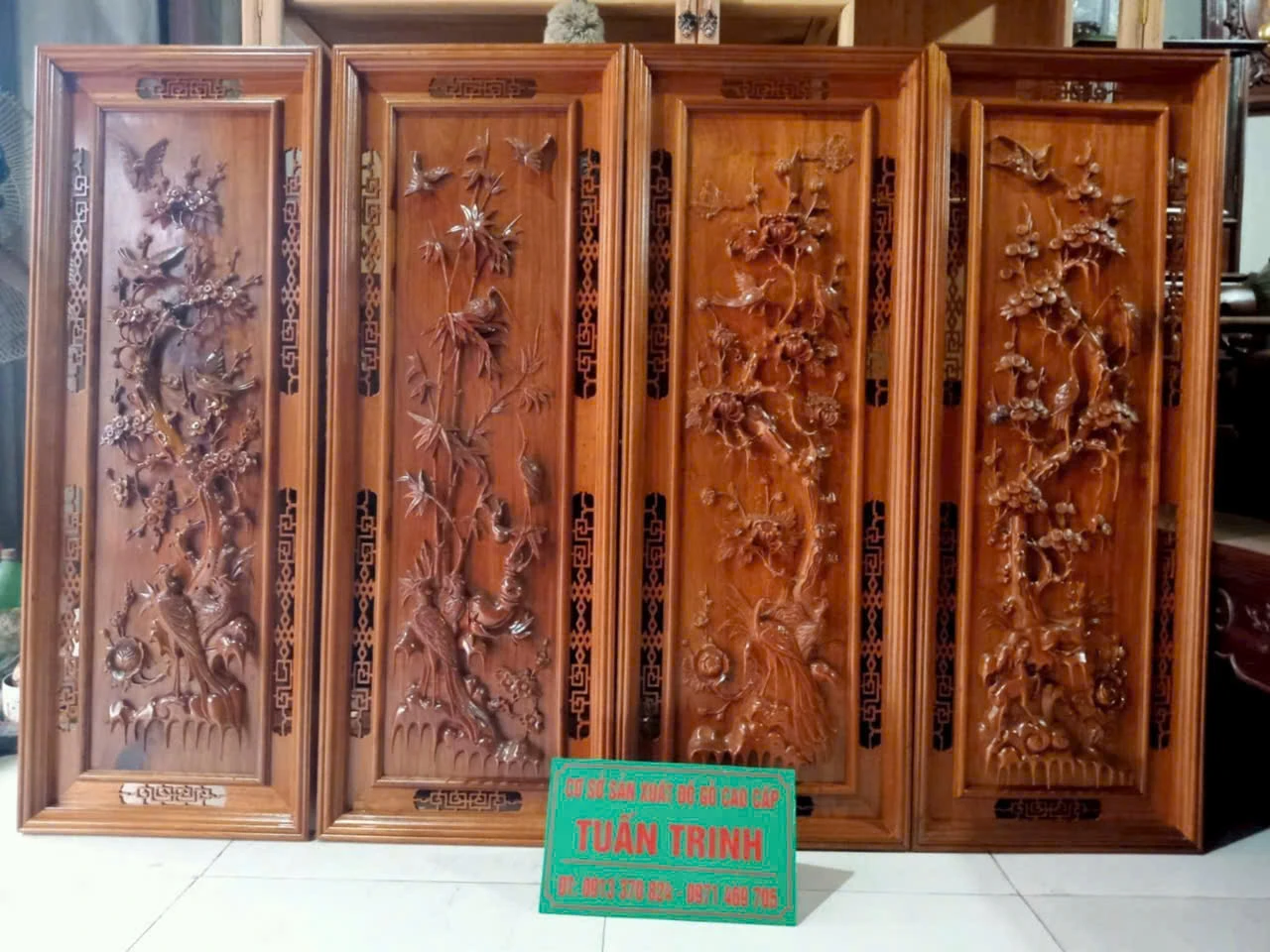
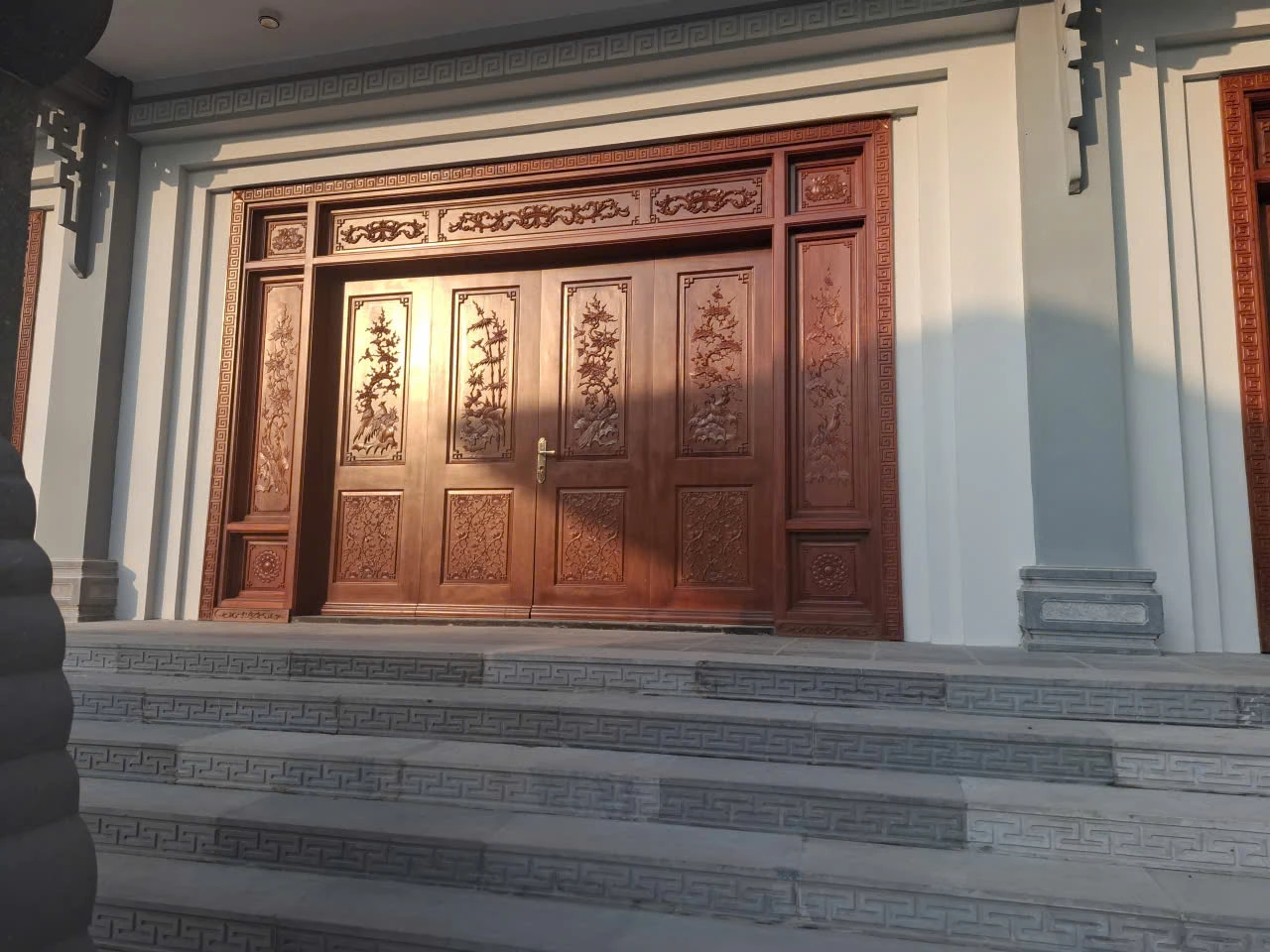
You can call as soon as you have an idea for a piece. A reference image, a photograph of its intended position and a few notes on use help focus the conversation. A finished drawing is not needed to begin.
Say what you want to keep and change
You may choose a family reference design or bring an image from elsewhere. If you like the cabinet shape but want different doors or compartments, separate those requests. Marking up an image can be clearer than asking for “the same as this” when the details could be interpreted differently.
The reference name or code, and any images.
Features to keep: shape, compartments, carving or other details.
Changes requested and the main purpose of the piece.
Separate the available space from the proposed piece
For preliminary measurements, write width × depth × height with units. State whether these describe the available space or the piece you want. Include a wider photograph showing doors, access and nearby furniture, plus a closer view where the piece will meet another object.
For example, “the space is 180cm wide” describes the room; it does not settle the cabinet width. Door opening, everyday access and the route into the house still need discussion. Customers usually provide initial measurements; nearby customers can discuss a measuring visit when needed.
List a larger commission item by item
For a room or whole-home commission, list the items separately and mark the priorities. Note what existing furniture will stay, what is new and which photograph relates to each item. This makes the scope easier to discuss and avoids relying on one image to explain several unstated requests.
What to agree before work starts
After discussing the design, agree the form, wood description for each relevant part, dimensions, colour and finish, fittings, included items, price and delivery or installation. A commercial wood name should refer to the actual piece and components being discussed, rather than being assumed from another sample.
A deposit is required before work begins. Its amount, payment terms, expected timing and delivery or installation scope are discussed for each commission. Keep the agreed details alongside the reference images and requested changes so both sides can refer to the same record.
A short first message is enough
“I would like a cabinet for ceramics and like the shape in this picture. The available space is measured below. I would like to keep the middle display section and use the sides for closed storage. Could we discuss an option?” This is an example of how to describe a need, rather than a specification or quotation.
If convenient, call or message ahead to arrange a visit and see reference pieces. Customers farther away can begin by phone or Zalo, including asking what else to prepare when images or measurements are incomplete.
You can send the article link with a reference photograph when speaking with the family.
How custom furniture orders work